Oceans Update Winter Issue

Check out the Winter 2010 issue of Oceans Update e-newsletter.


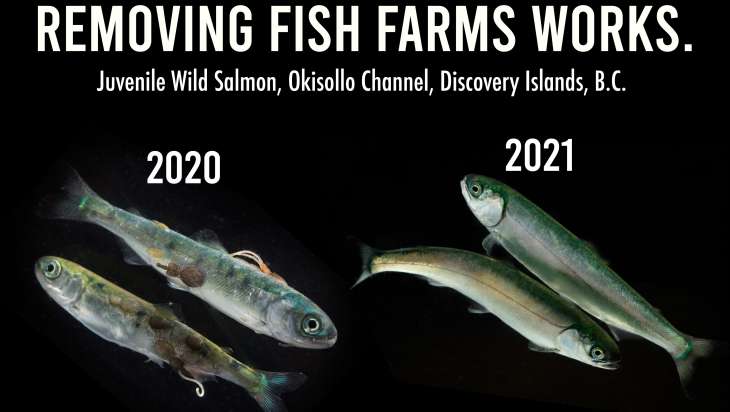
CLICK HERE to read about a closed containment thaw in salmon farming, and why coastal wetlands help fight climate change - and what you can do to save them. Meet ocean acidification, the ugly twin of climate change. There's also new Finding Coral Expedition video and lots more>>

Environmental organizations call for broader scope for Enbridge pipeline project review

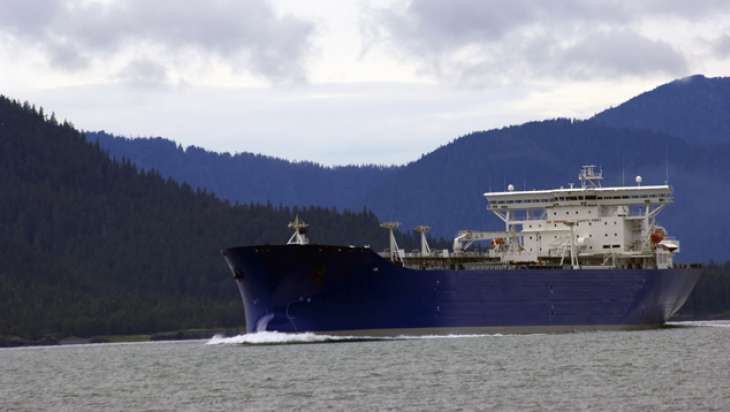
Living Oceans Society and 18 other conservation groups is calling on the federal government to broaden the scope of the Joint Review Panel assessing the Enbridge Northern Gateway Pipeline Project. The current Terms of Reference fail to look at the vital issues of climate change and the expansion of the tar sands. They also ignore the essential question of whether massive oil tankers should even be allowed into North Coast waters.

CLICK HERE to read the news release >>
Living Oceans chosen for Tides Canada's Top 10

Every year Tides Canada selects 10 of Canada's most innovative and forward-thinking organizations. This year Living Oceans Society was recognized by Tides Canada for:
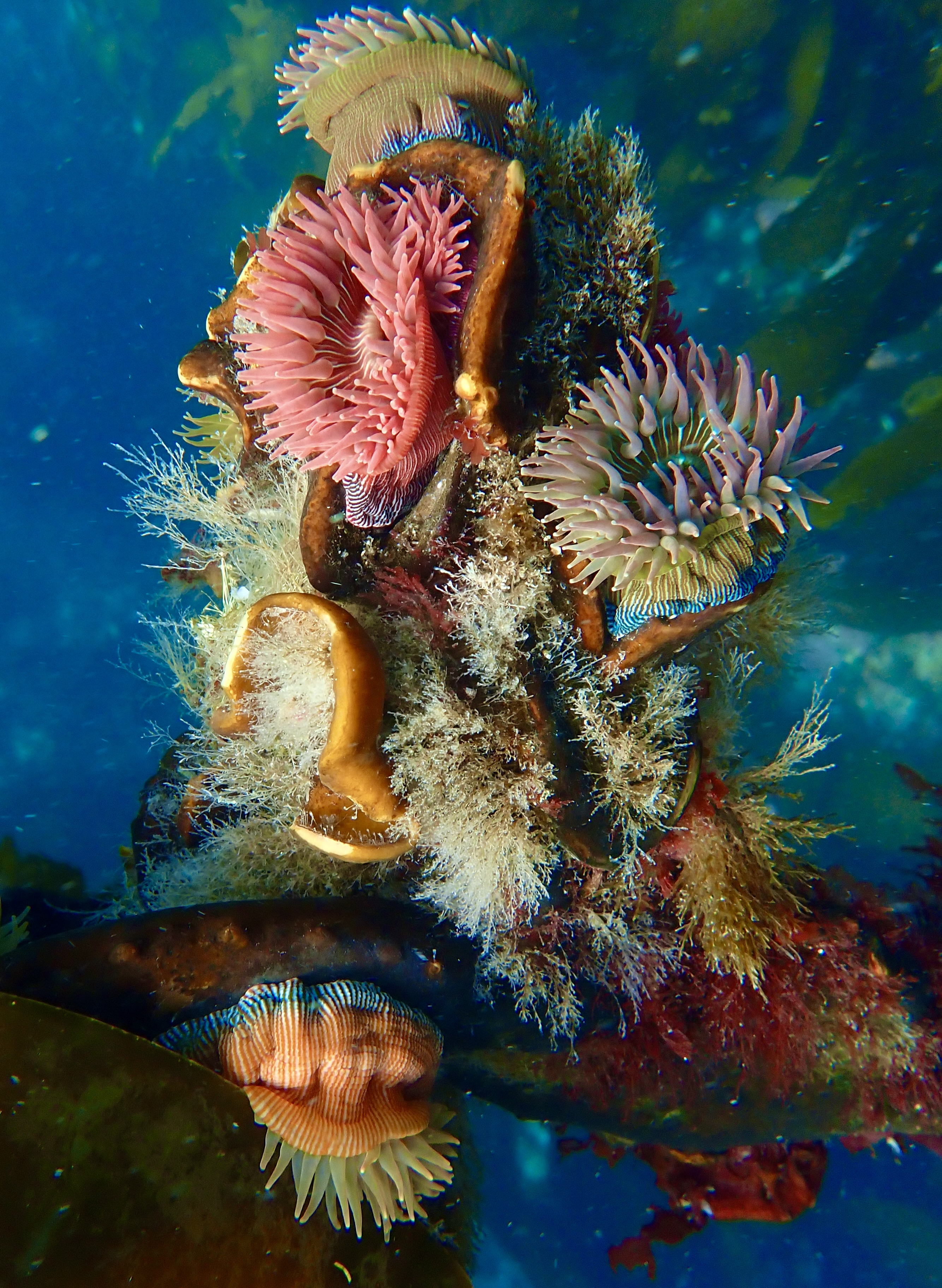
  • Finding Coral, our deep sea science expedition off Canada’s Pacific Coast that gave the world a glimpse of the magnificent coral gardens we need to protect  
  • raising national awareness about marine conservation through the effective use of media, social media and a regional speaking tour about the Finding Coral expedition
  • championing sustainable seafood and working in partnership with other organizations in SeaChoice to help Canadians take an active role in supporting sustainable fisheries
Tides Canada provides innovative philanthropic, financial, and project management services for change makers. 
 
SeaChoice
The movement towards sustainable seafood is about solutions for our oceans. Choosing sustainable seafood is a simple and effective action that you can take every time you eat at a restaurant or buy seafood.

Choose Sustainable Seafood using Canada's Seafood Guide and the Seafood Card.


Fraser River Sockeye Statement
Living Oceans Society is deeply troubled by the collapse of the 2009 Fraser River sockeye run, and the implications of this collapse for affected First Nations, commercial and recreational fishermen, and marine, freshwater, and terrestrial ecosystems. The famed Fraser River sockeye are an icon of the cultural, environmental, and social health of B.C.

For more CLICK HERE

Bycatch report on Canada's Pacific groundfish bottom trawl fishery
A new Living Oceans Society report, Bycatch in Canada’s Pacific Groundfish Bottom Trawl Fishery: Trends and Ecosystem Perspectives, looks at the ecological implications of this fishery’s bycatch over the past decade. Based upon these trends, the report recommends that a moratorium be placed on landings from an unsustainable deep sea fishery for longspine thornyhead, and that an ecosystem-based bycatch policy be developed and implemented as soon as possible.


Finding Coral Speaking Tour
Jennifer Lash, leader of the Finding Coral Expedition, is visiting Canadian cities to share pictures, video and stories from our Journey to the Bottom of the Sea. CLICK HERE for dates and locations.
 
 
Kelp Patch
(a collection of really cool things)
Fun and Games Fun and Games Oil Spill Model Oil Spill Model
In the News In the News Coastal Voices Blog Coastal Voices Blog
Annual Report Annual Report
 
CLICK HERE to send an e-mail to the Canadian Government urging them to immediately protect those coastal habitats that work to combat climate change.

Scientists of the United Nations Environment Program recommended to the 2009 Copenhagen Climate Change Conference that 80 percent of the world’s remaining seagrass and salt marsh habitat be protected as an important step among the range of strategies necessary to combat global climate change. The best way to protect coastal ecosystems is to set aside marine protected areas (MPAs) and regulate their use through marine planning and ecosystem-based fisheries management. As the nation with the longest coastline in the world, protecting these ecosystems is part of the action Canada should take to combat climate change.


Sign up for Living Oceans Society newsletters and action alerts.

Become a fan of Living Oceans Society. Join our Facebook group.
Watch LOS movies on youtube.
See LOS photos.