Océans en santé. Communautés en santé
A B C

Ocean Acidification

Twenty-seven years after Exxon Valdez: Federal government needs to legislate tanker ban
Thursday, March 24, 2016

FOR IMMEDIATE RELEASE
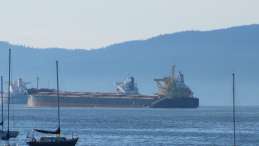
VANCOUVER—Groups are commending the federal government’s commitment to protect the north coast of British Columbia from oil spills with a tanker ban, and calling on the government to make it a permanent, legislated oil tanker ban. On the 27th anniversary of the Exxon Valdez oil spill that devastated the community of Cordova, Alaska and left Prince William Sound with an oily legacy that persists to this day, Sierra Club BC and Living Oceans Society say that a legislated oil tanker ban is the only certain way to protect B.C.’s north coast from a similar fate.
Revised Kinder Morgan review must meet a high bar to restore public trust

Wednesday, January 27, 2016

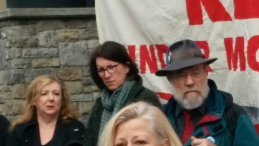
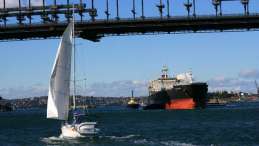
Burnaby – First Nations and environmental groups today welcomed the federal government’s announcement of a new “transition process” for projects under environmental review, including Kinder Morgan’s pipeline and oil tanker expansion proposal. However, more detail is needed to determine whether the new review will meet legal obligations to First Nations and succeed in restoring public trust.

First Nations, Environmental Groups Condemn Kinder Morgan NEB Hearings

Tuesday, January 19, 2016

Burnaby, BC-First Nations and environmental groups are calling on Prime Minister Trudeau to stop the Kinder Morgan process and honour his promise to restore credibility to the environmental assessment process. The groups believe the process is so catastrophically flawed, there is no way that a final recommendation from the NEB can be considered credible.

Climate and Oceans Think Tank 2009 - Proceedings Day 2
Climate and Oceans Think Tank 2009 - Proceedings Day 1
Climate and Oceans Think Tank 2009 - Participants Information

Living Oceans Society releases new evidence Re: Old Masset Iron Fertilization Scheme

Friday, October 19, 2012

VANCOUVER – Living Oceans Society today released documentation showing that the controversial ocean dumping of iron sulphate, conducted by Old Masset Village and Russ George this summer, was presented to the Credit Union financing the project as a scheme to sell carbon credits, rather than a serious science project.

Le carbone bleu

Évidemment, une façon de réduire nos émissions de carbone est de moins conduire nos voitures. Aimeriez-vous connaître une autre façon de réduire vos emissions de carbone?  Et bien pourquoi ne pas laisser les mangroves, les herbiers marins et les marécages salés faire une bonne partie du travail ingrat; c’est ce qu’on appelle le “carbone bleu”.

Le changement climatique

Le changement climatique constitue l'un des plus grands défis auquel l'humanité fait face aujourd'hui. Son impact se fait déjà sentir sur la terre ferme; des températures plus élevées, des vents plus puissants, de la sécheresse dans certaines parties du monde et des pluies plus abondantes dans d’autres, des feux de forêts sauvages et des fléaux épidémiques plus fréquents, etc.

Pages